
Hub Partner Research at Westmead
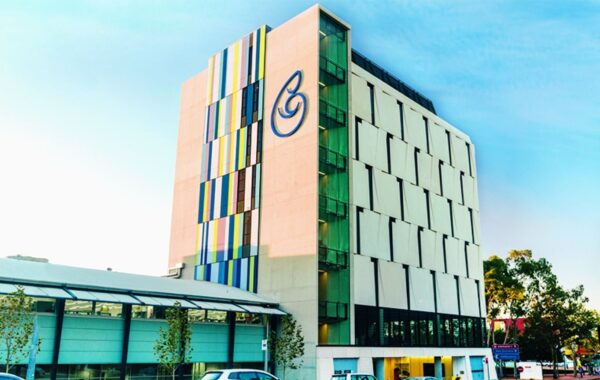
Children’s Medical Research Institute
Children’s Medical Research Institute (CMRI) is an independent organisation of 200+ scientists working to make the incurable curable for children. It is also known for the iconic Jeans for Genes campaign, raising awareness and funds for genetic research.
Click for details on CMRI Research Teams
Cancer
The Cancer Research Unit conducts trailblazing work on telomeres, which are important for senescence (aging) and all cancers.
Cell Biology
The Cell Biology Unit focuses on one of the major factors in at least 85% of all cancers affecting children and adults: the molecule telomerase.
Cell Signalling
The Cell Signalling Unit is developing new treatments for a range of diseases, such as epilepsy, cancer, kidney disease, and infectious diseases like coronaviruses.
Computational Systems Biology
The Computational Systems Biology Unit develops computational methods and uses systems approaches to characterise cell identity and cell-fate decisions during stem cell differentiation and development.
Embryology
The Embryology Unit studies how development occurs in order to understand what goes wrong in birth defects.
Eye Genetics Research
The Eye Genetics Research Unit aims to understand the genetic causes of eye diseases to improve diagnosis and treatment.
Gene Therapy Research
The Gene Therapy Research Unit finds ways to correct genetic diseases in children.
Genome Integrity
The Genome Integrity Unit investigates how cells maintain their DNA health with specific interests in cancer and early development.
Stem Cell Medicine
Focuses on two complementary fields: stem cell research and regenerative medicine.
Synapse Proteomics
Focuses on answering fundamental questions, such as how does the brain work? And at the same time asking how a disease state can upset brain function. This fundamental knowledge is then applied to identify new potential drug targets.
Telomere Length Regulation
We focus on understanding the molecular mechanisms underlying telomere length regulation and how telomere length can be manipulated to control cell division.
Translational Vectorology
We like to think of ourselves as “translational tool makers” as we develop and improve vector-based tools that can be used in wide range of basic and preclinical studies, as well as in clinical applications.
Nuclear Dynamics
The Nuclear Dynamics Group investigates how cells attempt to re-organise cellular architecture to resolve threats on genome stability. We use highly specialised techniques, including super-resolution microscopy and live cell imaging, to track changes in the structure and movement of molecules within the nuclei of cells.
Neuromuscular Gene Discovery
The Molecular Neurobiology Lab at Kids Research, Westmead Children’s Hospital has been stuying the pathogenic mechanisms of Rett syndrome for the past 9 years and conducts a program of interdisciplinary research spanning fields of neurology, neuropathology, fundamental neuroscience, clinical chemistry and pharmacology
Multi-Omics in Childhood Cancer
This lab is researching how we could improve diagnosis, prognosis and treatment decisions in the future with different types of molecular data from a child’s cancer.
ProCan
The ACRF International Centre for the Proteome of Human Cancer ProCan scientists at CMRI are analysing tens of thousands of examples of all types of cancer from all over the world to develop a library of information to advance scientific discovery and enhance clinical treatment worldwide.
Read more details about CMRI’s Research Teams

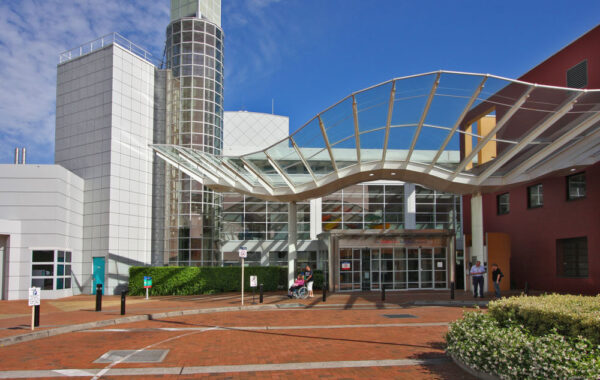
Kids Research
Kids Research is the research body of the Sydney Children’s Hospitals Network (SCHN); leading translational research to better the lives of sick children.
Click for details on Kids Research and SCHN
Cancer
KR cancer research is a collaborative effort that engages in national efforts to cure childhood cancer through close collaboration with partner universities and other organisations including the Children’s Cancer Institute, Luminesce Alliancelaunch and the Children’s Medical Research Institute
Chronic diseases
Through close collaborations with partner institutes and new technology, KR brings new treatments and innovations directly to patients.
Clinical sciences
Includes research into paediatric bone injury and repair, providing care to children injured in traumatic circumstances, toxicology, nuclear medicine, care for sick newborn babies, and rehabilitation for children with brain injuries and cerebral palsy.
Genomics and rare diseases
The Sydney Children’s Hospitals Network is at the forefront of genetic medicine, manufacturing clinical-grade vectors on-site at Westmead at the gene and cell medicine facility.
Infectious diseases and immunity
SCHN researchers are at the forefront of Australia’s effort against childhood infectious disease. Their work on immunisation, vaccine preventable diseases and allergic disorders informs policy and practice nationally and internationally, leading to improved diagnosis and treatment for children.
Mental health
Led by the Kids Mental Health Research (KMHR) research group and supported by SCHN. Working closely with the UNSW School of Clinical Medicine and The University of Sydney, SCHN is committed to producing high-quality scientific research that will inform future policy, and service development initiatives locally and nationally.
Neuroscience
KR neuroscience research is diverse and multidisciplinary, investigating disorders of the brain, muscle and nerves. They aim to improve the health and wellbeing of children from our research into neurological and neuromuscular disorders.
Population health
Population health research is focused on the pressing health issues of children in urban and remote areas, especially improving the health of Indigenous children. Research programs are aimed at understanding the social and environmental factors that influence children’s health and well-being.
Visit the Kids Research site to learn more about their research teams

Institute of Clinical Pathology and Medical Research
NSW Health Pathology‘s Institute of Clinical Pathology and Medical Research (ICPMR) provides the diagnostic pathology services for Westmead Hospital.
Click for details on NSWHP Research
The Centre for Infectious Diseases and Microbiology – Public Health (CIDM-PH)
Marie Bashir Institute
NSW Health State-wide Biobank
Research and Education Network
Western Sydney Local Health District’s Research and Education Network (REN) provides support across the WSLHD in medicine, nursing and midwifery, allied health, oral health, population health, integrated/community care and mental health. REN supports WSLHD staff to establish their projects and programs, negotiates space, facilities and equipment for education and research.

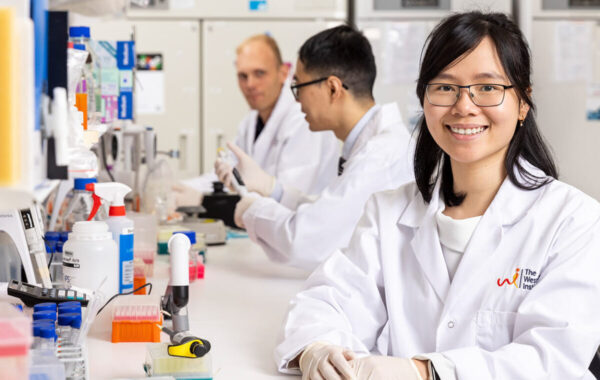
The Westmead Institute for Medical Research
The Westmead Institute for Medical Research (WIMR) is turning medical discoveries into breakthroughs that save lives and deliver hope for millions of people
Expand for details on WIMR’s Research Centres
Centre for Infectious Diseases and Microbiology
Centre for Virus Research
The Storr Liver Centre
Centre for Vision Research
Centre for Transplant and Renal Research
The Ludwig Engel Centre for Respiratory Research
Centre for Immunology and Allergy Research
Brain Dynamics Centre
Centre for Cancer Research
Centre for Diabetes, Obesity and Endocrinology Research
Centre for Heart Research

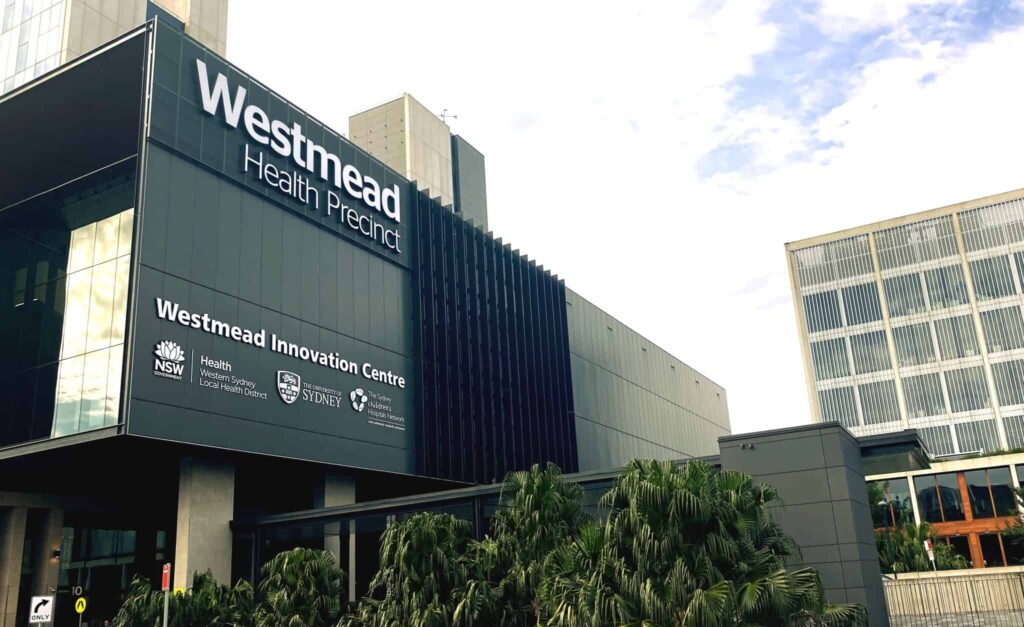
Westmead Applied Research Centre
Westmead Applied Research Centre (WARC) was established by the University of Sydney in collaboration with the Western Sydney Local Health District to create and apply innovation to addressing chronic health conditions.
Expand for details on WARC
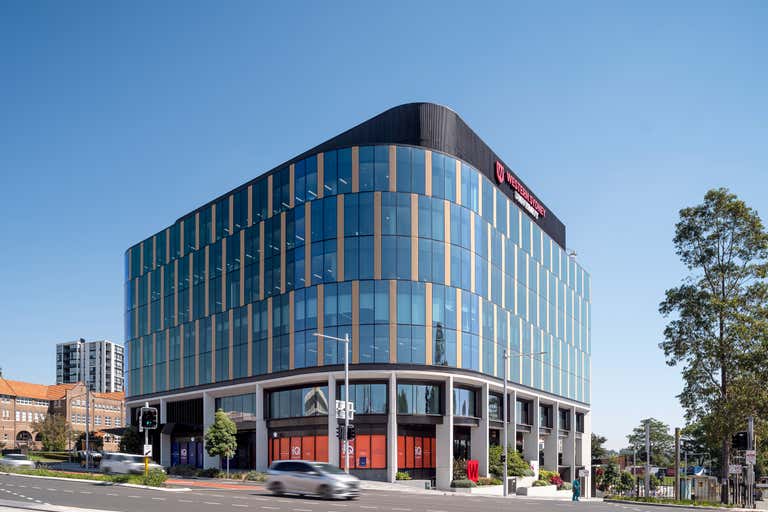
CSIRO: Australian e-Health Research Centre
AEHRC is CSIRO‘s national digital health program. With over 100 scientists and engineers and a further 30 higher degree research students, it is the largest digital health research program in Australia with a growing team at Westmead.
Expand for details
Interoperability
Virtual care
Precision health
Artificial intelligence
Digital Health
We’re developing a range of digital health innovations in collaboration with health industry and government partners. Our work includes developing mobile health solutions, delivering care remotely and supporting hospital and health systems.
- Chatbot app for therapy
- Robots for Therapy and education
- Enabling integrated healthcare
- Predicting hospitalisation
- Living at home longer
- Cardiac rehab app
- CALD assist
- Peritoneal dialysis platform
- Improving access to CVD therapy
Find out more about details of CSIRO Medical and Health Research

Westmead Research Hub
Westmead Research Hub brings together leading institutes to enable collaborative research projects, combining expertise and resources. Through our partners, researchers access advanced core facilities and specialised equipment, supporting multidisciplinary studies and accelerating breakthroughs in health and medical research.

Coming soon